Coordinating Financial Transactions and Customer Assistance in Cross-Platform Gaming
Hugo Hartmann · Jun 12, 2026
Coordinating Financial Transactions and Customer Assistance in Cross-Platform Gaming
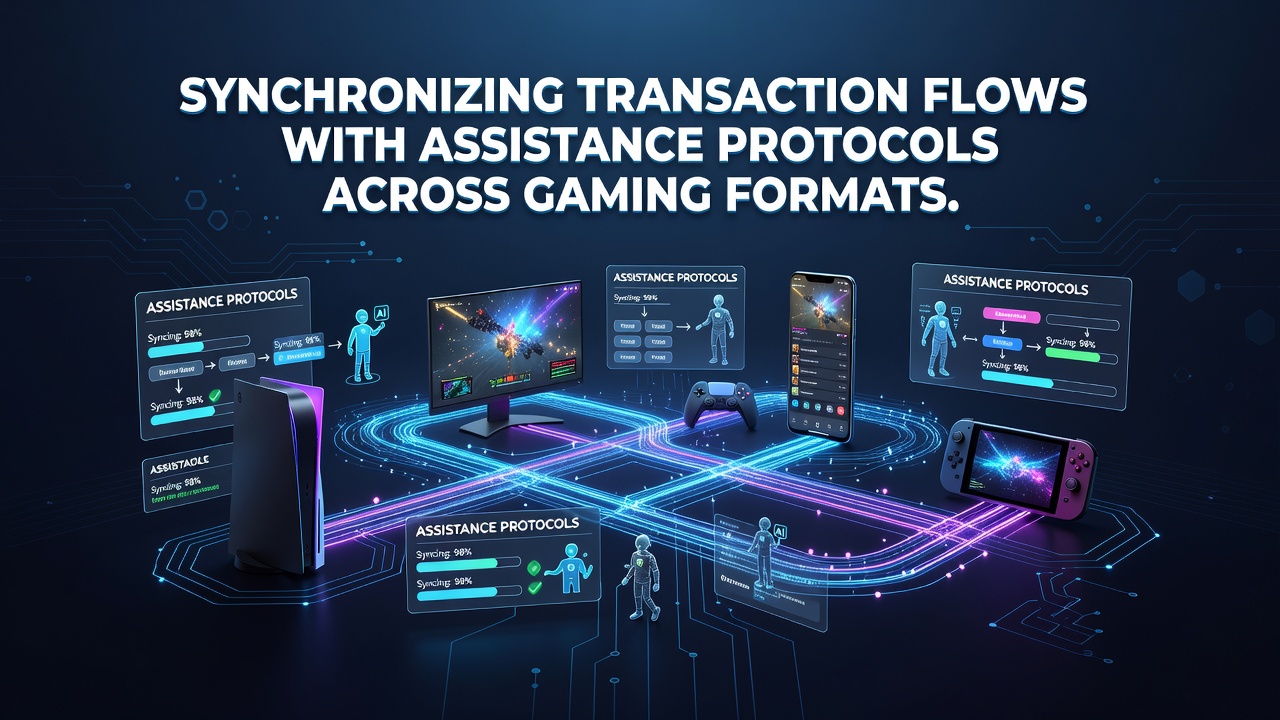
Developers face increasing demands to align payment processing systems with customer support frameworks as players move between mobile applications, console environments, and personal computer titles. Transaction flows encompass in-app purchases, subscription renewals, and virtual currency exchanges, while assistance protocols include automated ticketing systems, chat interfaces, and escalation procedures that resolve disputes over failed payments or account discrepancies. Research from industry groups shows these elements must operate in tandem to maintain consistent user experiences across formats. Data collected through 2025 indicates that cross-platform gaming accounts for over 65 percent of total digital game revenue in several major markets. When payment systems fail to communicate effectively with support tools, players encounter repeated verification steps or delayed refunds, which can extend resolution times by multiple days. Observers note that synchronization reduces these friction points by routing transaction data directly into support dashboards for immediate review.Core Components of Transaction Synchronization
Transaction synchronization relies on standardized data protocols that transmit purchase details, payment status, and user identifiers between platforms in real time. Mobile stores such as those operated by major operating system providers feed information into centralized ledgers, while console networks apply similar feeds through their proprietary APIs. PC platforms often integrate third-party processors that must map onto the same data structures to avoid mismatches during cross-play sessions.
Support protocols activate when anomalies appear in these flows, such as duplicate charges or incomplete deliveries of virtual items. Automated systems flag these events and generate case files that include full transaction histories, allowing agents to access context without requiring players to resubmit details. Studies from academic institutions have documented that integrated systems cut average handling time for payment-related inquiries by approximately 40 percent compared with siloed setups.Implementation Across Gaming Formats
Console ecosystems present unique challenges because hardware manufacturers control both the storefront and the network layer, requiring developers to embed support hooks that respect those controls. Mobile formats benefit from rapid update cycles that permit quicker deployment of synchronization patches, yet they contend with regional payment variations that complicate unified protocols. PC gaming distributes across multiple launchers and storefronts, demanding flexible middleware that translates transaction events into a common format.
One case examined by researchers involved a multiplayer title available on all three formats where a subscription renewal error on mobile propagated to console accounts. The synchronized assistance protocol detected the shared user identifier and issued a unified resolution across devices within hours, preventing further disruptions during peak play periods. Such examples illustrate how shared data schemas enable support teams to address issues holistically rather than in isolation.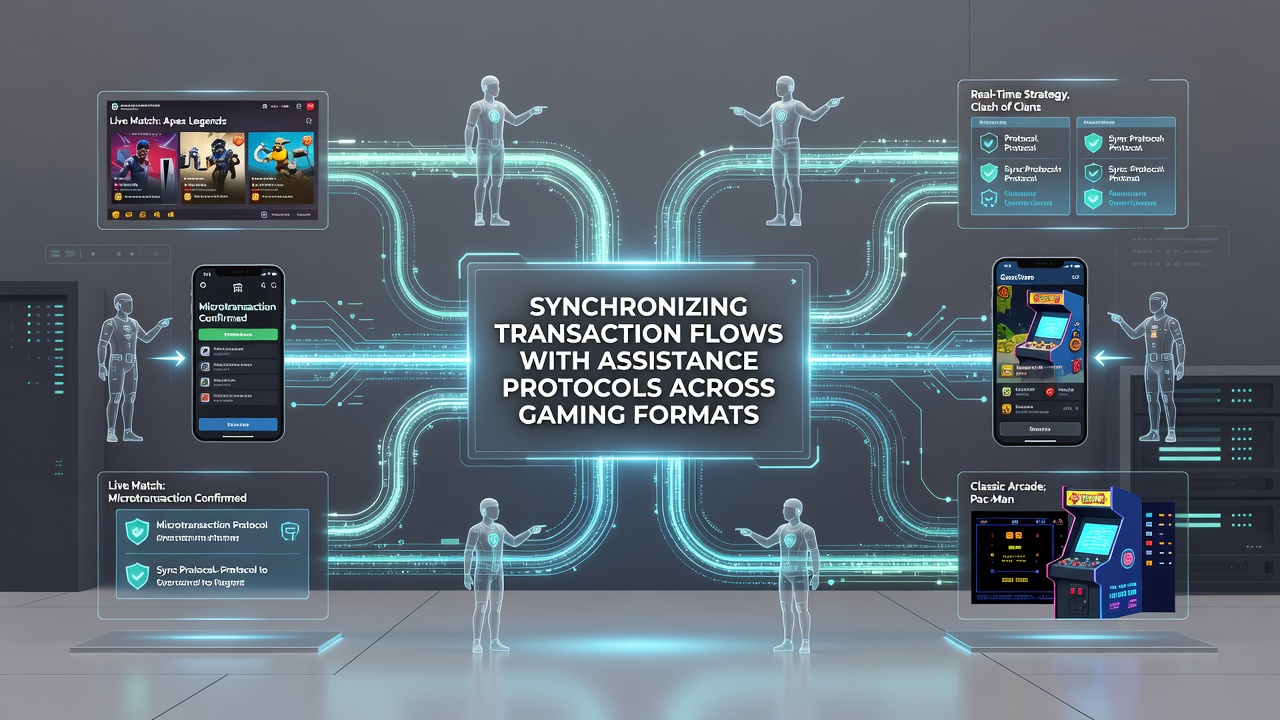
Regulatory and Technical Standards Emerging in 2026
June 2026 saw the release of updated interoperability guidelines from the European Commission's digital services framework, which encouraged gaming companies to adopt common transaction reporting formats. These guidelines emphasize secure data exchange that preserves user privacy while enabling support systems to verify payment integrity across borders. Canadian regulatory bodies have aligned portions of their consumer protection rules with similar principles, focusing on transparent refund mechanisms that function regardless of the originating platform.
Technical standards bodies continue to refine API specifications that support encrypted transaction payloads compatible with assistance protocols. Implementation requires coordination between payment processors, game publishers, and platform holders to ensure consistent field definitions for status codes and error types. Reports from the Entertainment Software Association highlight that companies adopting these standards report fewer escalations to external regulators because internal resolution pathways address most concerns before they intensify.Challenges and Ongoing Adjustments
Legacy systems in older titles often lack the necessary hooks for full synchronization, forcing developers to build bridging layers that can introduce latency. Regional payment restrictions, such as those affecting certain currencies or methods, further complicate uniform protocol application. Support staff must receive training on format-specific nuances even when data flows through unified interfaces.
Observers have documented incremental progress as middleware solutions mature and more titles incorporate built-in support for standardized transaction events. Continued refinement depends on collaboration among stakeholders who share transaction logs and support outcome data under agreed confidentiality terms. This approach allows identification of recurring failure patterns that affect multiple formats simultaneously.Conclusion
Effective coordination between transaction systems and assistance protocols supports reliable operations across mobile, console, and PC gaming environments. Evidence from regulatory updates in mid-2026 and industry adoption patterns shows measurable improvements in resolution speed and data consistency when synchronization is prioritized. Ongoing technical work and cross-jurisdictional alignment will determine how broadly these practices extend in subsequent years.