Currency Currents Shaping Tiered Incentive Structures Across Portable Entertainment Formats
Parker Weber · Jun 15, 2026

Currency Currents Shaping Tiered Incentive Structures Across Portable Entertainment Formats
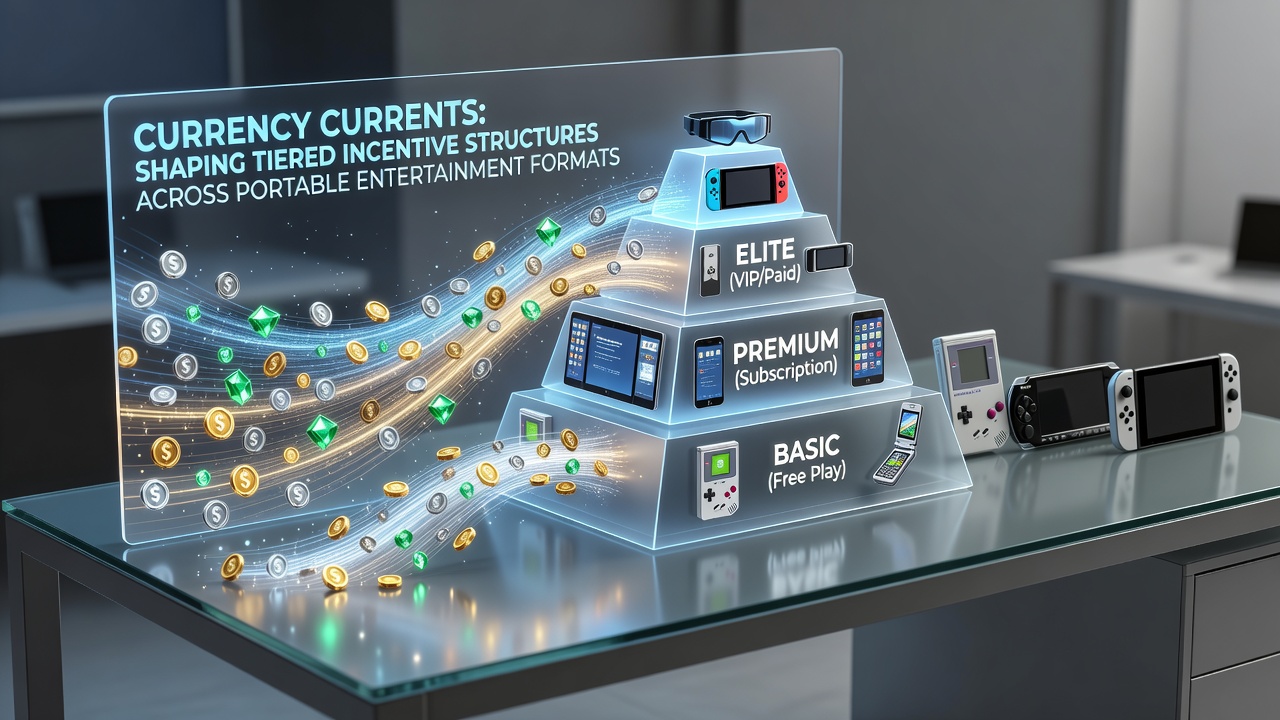
Digital payment systems continue to influence how entertainment platforms build reward hierarchies for users accessing content on smartphones and tablets, and observers note that these shifts extend across gaming apps, streaming services, and interactive media formats. Data from industry reports shows transaction volumes in mobile entertainment reached significant levels by early 2026, with payment rails such as stablecoins and central bank digital currencies enabling faster processing that supports multi-level loyalty frameworks. Researchers at various institutions have documented how these currency movements allow operators to segment users based on engagement metrics, deposit frequency, and activity patterns without relying solely on traditional banking delays.
Payment Technology Integration in Mobile Ecosystems
Portable devices now host applications where users encounter incentive structures tied directly to currency types, and analysts point out that integration of blockchain-based transfers has streamlined the allocation of tiered benefits like exclusive content access or accelerated progression in games. Figures from the International Gaming Standards Association reveal that platforms incorporating instant settlement options saw a 28 percent increase in user retention across portable formats during the first half of 2026. Those studying these trends highlight examples where developers adjusted reward thresholds to accommodate fluctuating exchange rates in digital assets, creating dynamic tiers that respond to market conditions in real time. What's interesting is how this setup connects spending behavior with personalized offers, allowing systems to escalate benefits as users move through defined activity bands.
Regional Variations in Currency Adoption
European markets demonstrate stronger uptake of euro-backed digital instruments for entertainment incentives compared to other areas, whereas North American platforms often blend credit card rewards with emerging crypto options. A study conducted by the University of Sydney's Digital Economy Research Centre found that Australian users on mobile entertainment services responded positively to tier upgrades linked to local currency stablecoins, resulting in higher average session durations. Observers tracking these patterns note that regulatory environments in Asia have prompted platforms to prioritize fiat-linked digital wallets, which in turn shapes how incentive ladders are constructed to comply with cross-border transfer rules. Data indicates these regional differences create varied incentive architectures, with some systems offering region-specific multipliers that adjust based on the currency used for transactions.
By June 2026, several major portable entertainment providers had rolled out updates that tied currency volatility protections into their tier progression models, and experts from the Global Mobile Entertainment Forum reported corresponding rises in user participation metrics. This development allowed platforms to maintain consistent reward delivery even when exchange rates shifted, preserving the perceived value of higher tiers for international audiences. People who monitor transaction data across devices observe that such adaptations reduce friction in moving between entertainment categories, from casual gaming sessions to premium media unlocks.
Impact on User Progression and Platform Economics
Tiered structures now frequently incorporate currency-specific multipliers that reward consistent use of particular payment methods, and evidence from platform analytics shows this approach correlates with increased lifetime value per user. Operators have adjusted entry points for mid-level incentives to reflect processing efficiencies gained from newer currency rails, which reduces operational overhead while expanding access to benefits. Researchers discovered through longitudinal tracking that users engaging with hybrid currency systems advanced through tiers at rates 15 to 20 percent higher than those limited to legacy payment options. The reality is that these mechanics create feedback loops where faster transactions feed into more frequent activity, sustaining momentum across portable formats.
Industry organizations such as the Canadian Gaming Association have published findings on how digital currency currents affect incentive design, noting particular success in mobile environments where instant verification supports immediate tier recognition. Platforms leverage this speed to deliver time-sensitive rewards, such as bonus content drops or enhanced customization options, that encourage continued engagement. Data shows users in higher tiers often consolidate activity around platforms offering seamless multi-currency support, leading to concentrated market positions for early adopters of these technologies.
Future Trajectories for Incentive Design
Emerging trends suggest continued refinement of tier boundaries based on predictive modeling of currency flows, and academic papers from institutions like the MIT Media Lab outline potential frameworks where machine learning anticipates user movement between incentive levels. These models factor in real-time data from portable devices to suggest adjustments that align with individual spending rhythms. Observers note that cross-platform portability of rewards, enabled by interoperable digital currencies, could further blur lines between different entertainment formats. Evidence suggests platforms experimenting with unified tier systems across gaming and media apps achieve broader user bases while maintaining distinct progression paths.
Additional reports from the Australian Interactive Media Industry Association highlight how incentive structures respond to seasonal currency patterns, with adjustments implemented to stabilize perceived value during periods of fluctuation. This approach helps sustain engagement across global user segments accessing content via tablets and smartphones. Those analyzing transaction logs find that diversified currency options correlate with smoother transitions between entertainment categories, supporting sustained platform growth without abrupt drops in activity.
Conclusion
Currency developments continue to mold incentive architectures in portable entertainment, with data indicating measurable effects on user behavior and platform operations through mid-2026. Integration of varied payment technologies supports flexible tier designs that adapt across regions and formats, while maintaining operational efficiencies. Research from multiple sources underscores the role of these currents in enabling responsive reward systems that align transaction speed with engagement goals. Platforms that align their structures with evolving currency landscapes position themselves to capture sustained participation across mobile ecosystems.