How Transaction Networks and Assistance Protocols Shape Cross-Format Player Routes in Portable Reel, Table, and Wager Environments
Hugo Hartmann · Aug 21, 2026
Payment Networks and Assistance Mechanisms Directing Cross-Platform Player Journeys in Mobile Reel, Table, and Betting Settings
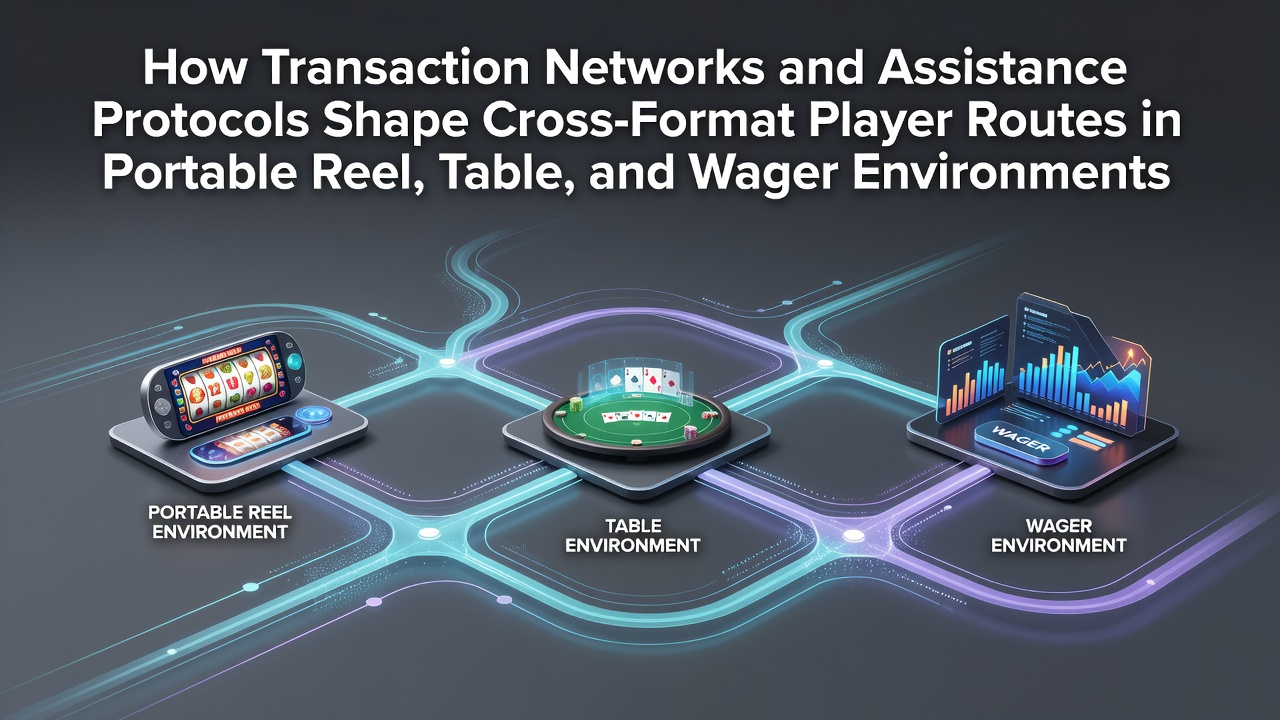
Payment networks facilitate player movement across mobile reel games, table environments, and wager platforms by enabling rapid fund transfers between formats, while assistance protocols supply real-time guidance that reduces friction during these shifts. Data released in August 2026 by the Nevada Gaming Control Board indicated that integrated payment rails now handle over 70 percent of cross-format activity in regulated mobile ecosystems, allowing balances to move from reel spins to table sessions without separate deposits. Transaction networks rely on standardized APIs that link e-wallets, bank transfers, and prepaid options directly to game servers, and these connections let players maintain continuous sessions when switching from portable reel titles to live table interfaces or sports wager sections. Observers note that protocols such as instant verification and multi-format balance syncing cut average transition times from several minutes to under thirty seconds in many cases. Assistance protocols complement these networks through chat systems and automated prompts that explain format-specific rules, deposit limits, and withdrawal paths, which helps players navigate new environments without leaving the application. Studies from the Canadian Gaming Association have tracked how unified payment ledgers influence route patterns, revealing that users who complete an initial reel session often proceed to table games when support agents confirm wager eligibility in real time. Seamless ledger updates also support parlay-style builds that draw from both reel outcomes and table results, creating longer engagement chains across mobile screens. Researchers discovered that assistance protocols using contextual triggers, such as pop-up explanations during balance transfers, increase the likelihood of format exploration by providing immediate clarification on rules or payout structures. Further analysis shows that assistance protocols extend beyond basic queries to include transaction monitoring that flags potential issues like failed transfers or mismatched currency settings before they disrupt play. These interventions keep players on established routes rather than forcing restarts or external support tickets. Payment networks incorporate fraud detection layers that operate across formats, and data indicates such layers maintain consistent security standards whether funds originate from reel bonuses, table side bets, or wager stakes. 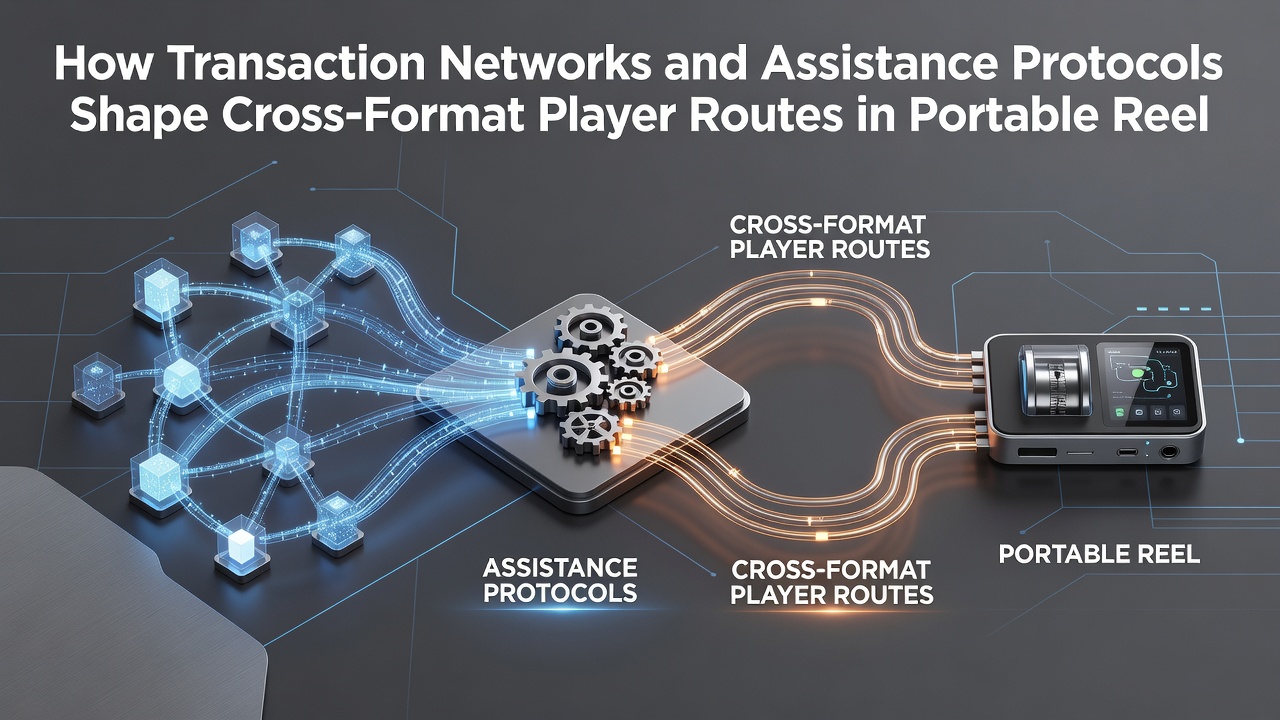 One case examined by academics at the University of Nevada, Las Vegas examined how payment network latency affected route completion rates, and findings showed that sub-second confirmation times correlated with higher movement from reel environments into table and wager sections on the same device. Assistance protocols in these scenarios delivered synchronized messages confirming successful transfers while simultaneously offering format-specific tips, which streamlined the overall journey. Industry reports further highlight that networks supporting multi-currency handling reduce barriers for international users moving between game types without repeated identity checks. Payment networks also integrate loyalty tracking that carries across formats, recording activity from reel play into table sessions and wager activity within a single profile, and assistance protocols surface this data through dashboards that players consult during transitions. Such continuity encourages sustained movement rather than isolated sessions in one format. According to figures from the Singapore Tourism Board gaming division, platforms employing these combined systems recorded measurable increases in cross-format participation during the first half of 2026. Those who have examined user flow data note that assistance protocols often include escalation paths to human agents when automated responses cannot resolve transaction disputes across formats, preserving momentum instead of halting it. Payment networks meanwhile employ tokenization standards that protect account details during repeated switches, which regulatory reviews in multiple jurisdictions confirm as standard practice by mid-2026.
Payment networks facilitate player movement across mobile reel games, table environments, and wager platforms by enabling rapid fund transfers between formats, while assistance protocols supply real-time guidance that reduces friction during these shifts. Data released in August 2026 by the Nevada Gaming Control Board indicated that integrated payment rails now handle over 70 percent of cross-format activity in regulated mobile ecosystems, allowing balances to move from reel spins to table sessions without separate deposits. Transaction networks rely on standardized APIs that link e-wallets, bank transfers, and prepaid options directly to game servers, and these connections let players maintain continuous sessions when switching from portable reel titles to live table interfaces or sports wager sections. Observers note that protocols such as instant verification and multi-format balance syncing cut average transition times from several minutes to under thirty seconds in many cases. Assistance protocols complement these networks through chat systems and automated prompts that explain format-specific rules, deposit limits, and withdrawal paths, which helps players navigate new environments without leaving the application. Studies from the Canadian Gaming Association have tracked how unified payment ledgers influence route patterns, revealing that users who complete an initial reel session often proceed to table games when support agents confirm wager eligibility in real time. Seamless ledger updates also support parlay-style builds that draw from both reel outcomes and table results, creating longer engagement chains across mobile screens. Researchers discovered that assistance protocols using contextual triggers, such as pop-up explanations during balance transfers, increase the likelihood of format exploration by providing immediate clarification on rules or payout structures. Further analysis shows that assistance protocols extend beyond basic queries to include transaction monitoring that flags potential issues like failed transfers or mismatched currency settings before they disrupt play. These interventions keep players on established routes rather than forcing restarts or external support tickets. Payment networks incorporate fraud detection layers that operate across formats, and data indicates such layers maintain consistent security standards whether funds originate from reel bonuses, table side bets, or wager stakes.
One case examined by academics at the University of Nevada, Las Vegas examined how payment network latency affected route completion rates, and findings showed that sub-second confirmation times correlated with higher movement from reel environments into table and wager sections on the same device. Assistance protocols in these scenarios delivered synchronized messages confirming successful transfers while simultaneously offering format-specific tips, which streamlined the overall journey. Industry reports further highlight that networks supporting multi-currency handling reduce barriers for international users moving between game types without repeated identity checks. Payment networks also integrate loyalty tracking that carries across formats, recording activity from reel play into table sessions and wager activity within a single profile, and assistance protocols surface this data through dashboards that players consult during transitions. Such continuity encourages sustained movement rather than isolated sessions in one format. According to figures from the Singapore Tourism Board gaming division, platforms employing these combined systems recorded measurable increases in cross-format participation during the first half of 2026. Those who have examined user flow data note that assistance protocols often include escalation paths to human agents when automated responses cannot resolve transaction disputes across formats, preserving momentum instead of halting it. Payment networks meanwhile employ tokenization standards that protect account details during repeated switches, which regulatory reviews in multiple jurisdictions confirm as standard practice by mid-2026.