Mapping Connections Between E-Wallet Transactions and Tiered Loyalty Programs in Interactive Gaming Environments
Sofia Bauer · Jul 10, 2026
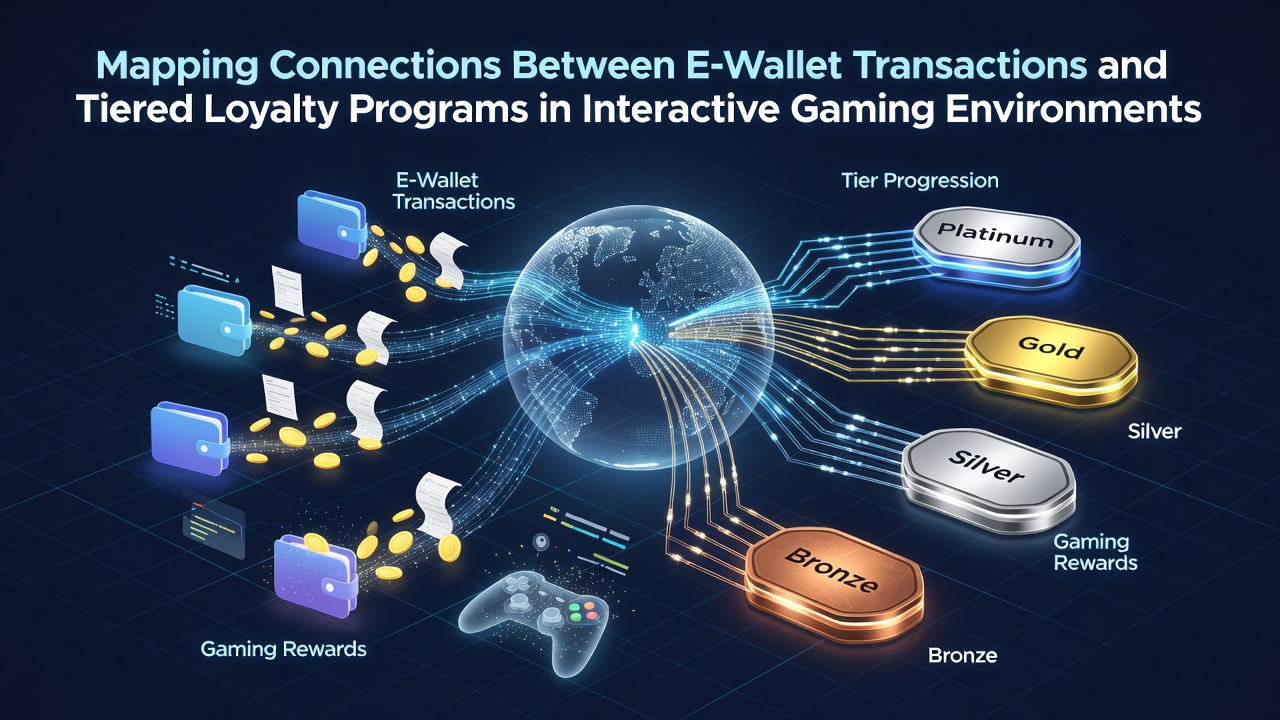
Interactive gaming platforms have integrated electronic wallet systems with structured reward hierarchies over recent years, and observers note clear linkages between transaction patterns and progression through those tiers. Data from industry reports indicate that players who complete frequent e-wallet transfers often accumulate points faster than those relying on traditional card methods, while figures from platform analytics show accelerated movement into higher reward brackets when deposit volumes increase steadily.Transaction Patterns and Tier Progression
Researchers at various academic institutions have documented how real-time payment confirmations via e-wallets enable immediate crediting of loyalty metrics, and this process supports continuous play sessions without interruption. One study released in July 2026 by a Canadian research consortium highlighted that mobile game environments recorded a 27 percent rise in tier advancements among users who maintained weekly e-wallet activity above a set threshold, whereas sporadic users showed slower advancement rates.
Platforms track these movements through automated systems that log each transfer amount, frequency, and timing, then convert the data into loyalty points according to predefined formulas, and developers adjust these formulas periodically based on aggregate user behavior across regions. Those who've examined backend logs from multiple titles report that peak transaction hours align closely with promotional windows designed to push players toward the next reward level.
Platform Integration Mechanisms
Game operators embed application programming interfaces that link e-wallet providers directly to loyalty dashboards, allowing users to view point balances and upcoming tier benefits without leaving the game interface. This setup reduces friction, and evidence from operational reviews confirms that seamless connections contribute to higher retention within mid-level reward categories. Australian regulatory filings on digital payment services note similar integration trends in entertainment apps, where transaction speed influences how quickly participants qualify for exclusive in-game items or status symbols.
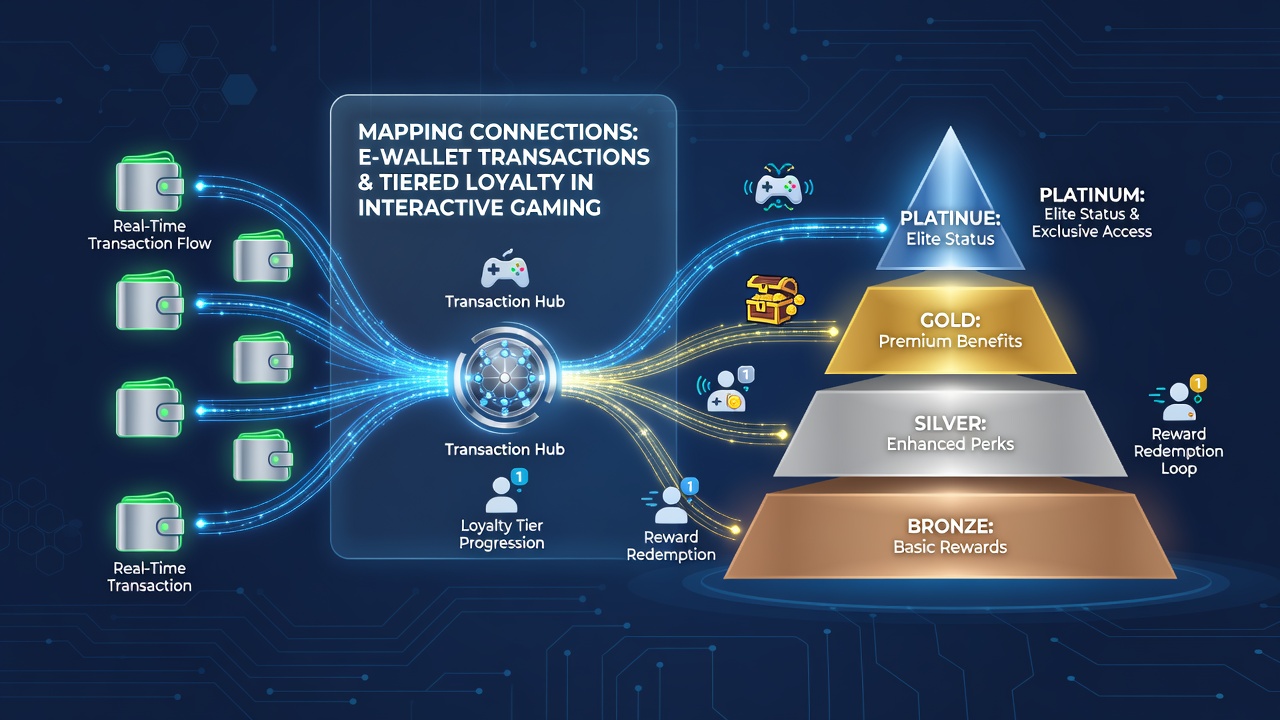
Further analysis reveals that cross-border e-wallet transactions sometimes carry additional verification steps that temporarily delay point allocation, yet players who complete these steps consistently maintain steady tier climbs. Industry organizations tracking digital economies have recorded instances where loyalty algorithms prioritize volume over single large transfers, creating pathways that reward habitual engagement rather than isolated high-value moves.
Data Correlations Across Regions
Comparative data sets compiled by university teams in the European Union demonstrate that regions with widespread e-wallet adoption exhibit tighter correlations between payment volume and tier status than areas where such methods remain less common. These correlations appear in metrics such as average session length, item redemption rates, and social feature participation, all of which feed back into the loyalty calculation engines.
Platform operators refine their models using machine learning that processes transaction histories alongside playtime statistics, and the resulting adjustments have produced measurable shifts in how quickly new users reach entry-level rewards. Observers note that July 2026 updates to several major titles incorporated refined weighting for recurring small transfers, producing broader distribution of mid-tier participants.
Security and Verification Layers
E-wallet providers apply multi-factor authentication that gaming platforms mirror within their loyalty frameworks, ensuring that verified transactions receive full point credit while flagged ones undergo review. This dual-layer approach maintains system integrity, and reports from trade associations indicate reduced instances of point manipulation when verification protocols align across both payment and reward systems.
Those studying user flows point out that transparent mapping of transaction data to tier benefits encourages sustained activity, because participants can predict outcomes based on clear rules displayed in-app. Such predictability supports long-term engagement patterns observed across various interactive titles released in the past two years.
Conclusion
Connections between e-wallet activity and tiered loyalty structures continue to evolve as platforms incorporate new payment rails and refine their reward algorithms, and aggregated data from multiple sources illustrate consistent patterns linking transaction regularity with advancement speed. These linkages shape player progression across interactive environments while maintaining compliance with regional digital service standards.