Payment Pathways Connecting Rewards Across Mobile Multi-Game Platforms
Paul Becker · Jul 27, 2026
Payment Pathways Connecting Rewards Across Mobile Multi-Game Platforms
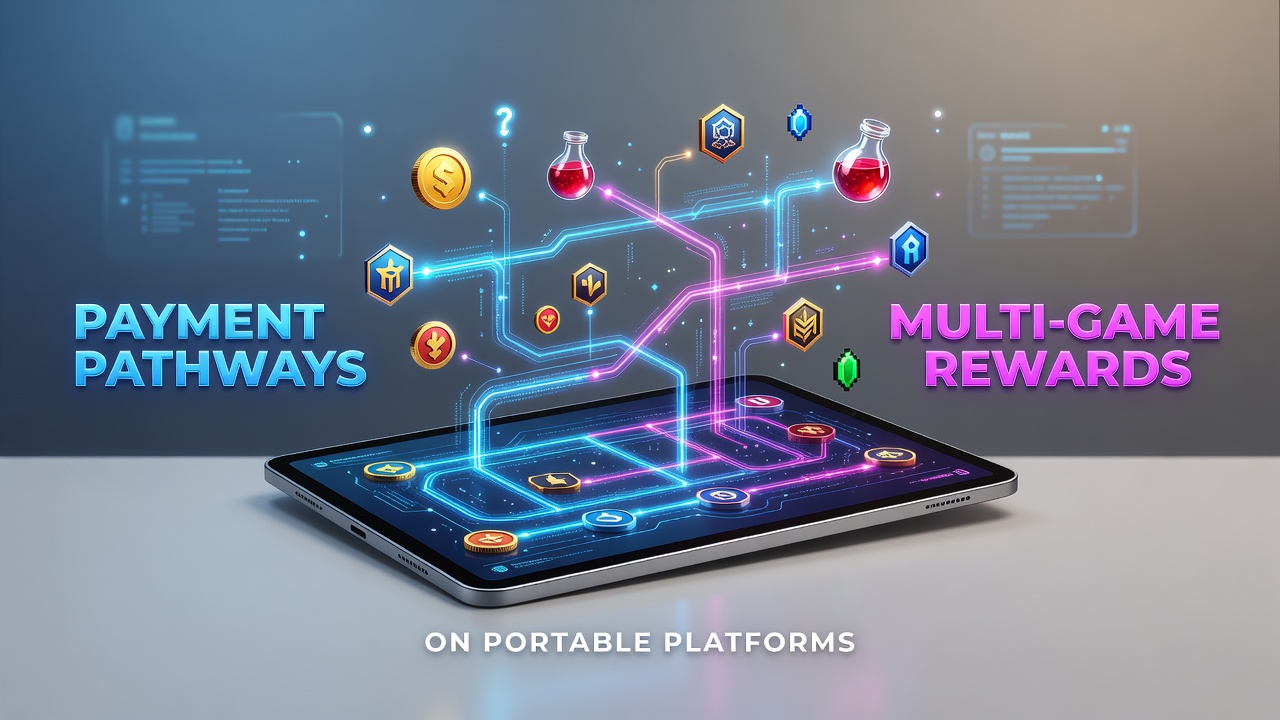
Payment systems on portable devices now route funds and incentives between different game types through shared ledgers that update in real time, and developers link these routes using standardized APIs that allow a single deposit to activate bonuses in slots, live dealer sessions, and sports wagers simultaneously. Operators maintain separate game engines yet connect them at the transaction layer so that progress toward a loyalty tier carries across categories without requiring players to initiate separate transfers for each title.
Core Architecture of Linked Payment Routes
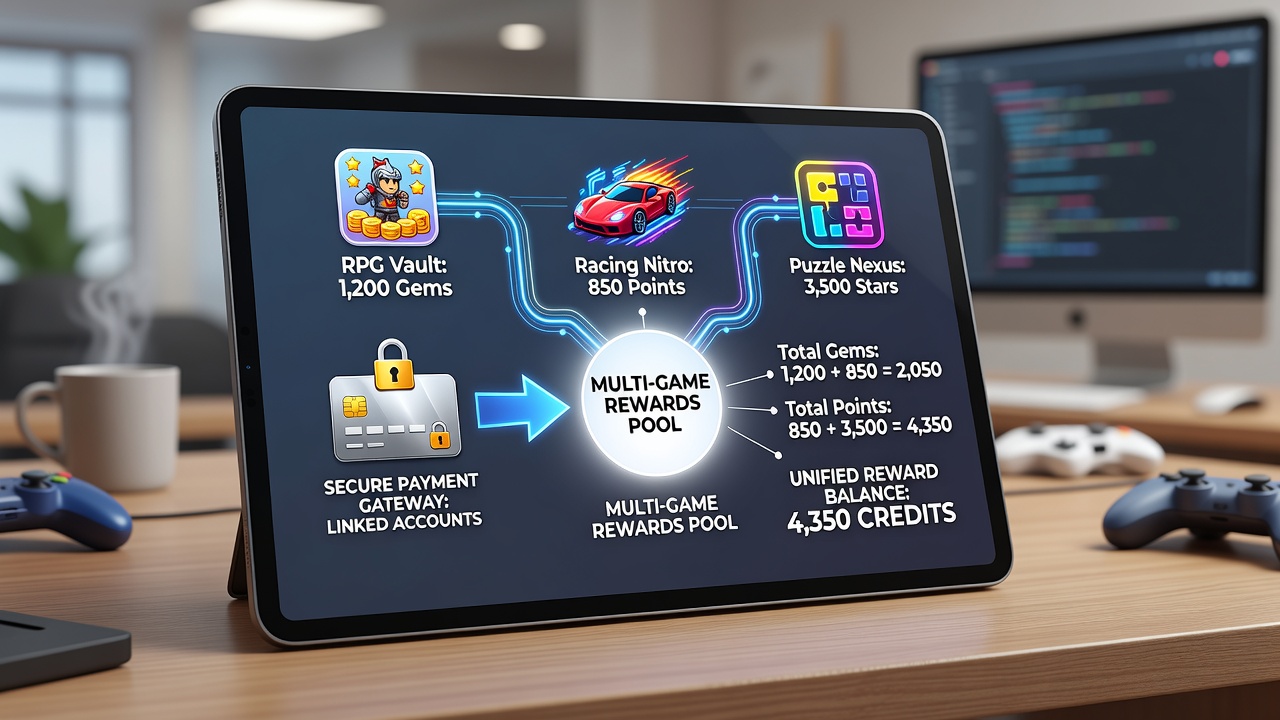
Portable platforms rely on token-based wallets that store value outside individual game servers, and these wallets communicate with each game through secure endpoints that record every credit movement against a central player profile. When a user completes a deposit via an e-wallet or card processor, the system immediately allocates portions of that amount to active promotions across multiple titles, while settlement occurs through batch reconciliation that occurs several times per hour rather than at the close of each gaming session. Data from industry reports indicates that such architecture reduces the average time between a deposit and bonus availability to under three seconds on major mobile networks.
Research from the University of Nevada, Las Vegas Center for Gaming Research shows that operators adopting unified ledger models recorded a 27 percent increase in cross-category play during the first half of 2026. The same study notes that players who moved funds between game types within a single session generated 41 percent more handle than those who remained in one category.
Examples of Reward Synchronization
Take one platform that routes a percentage of every slot spin directly into a live dealer table credit pool, and that pool releases automatically once the player switches titles. Another operator applies sports bet winnings as instant casino credit without an intermediate withdrawal step, because the payment rail treats all verticals as a single account. Observers note that these connections rely on pre-authorized micro-transfers that execute in the background while the user continues play, and the process avoids the friction that once forced manual balance checks between games.
Regulatory and Security Considerations
Payment pathways must satisfy data-protection rules in multiple jurisdictions, and platforms achieve compliance by encrypting transaction metadata at the point of origin before it reaches any game server. In July 2026 several North American regulators introduced updated guidelines requiring real-time audit trails for all cross-vertical transfers, and operators responded by embedding immutable logs within each wallet transaction. These logs allow authorities to trace how a single deposit contributed to rewards in different game categories without exposing full player financial details.
According to the American Gaming Association, mobile operators that implemented end-to-end encryption for linked rewards reported a 19 percent drop in disputed transactions during the second quarter of 2026. The same report highlights that verification layers now include device fingerprinting combined with behavioral analytics so that unusual transfer patterns trigger automatic reviews before funds move between game types.
Technical Standards Driving Interoperability
Industry groups have converged on a common set of message formats that describe bonus eligibility, transfer amounts, and settlement status, and these formats travel between payment processors and game servers through encrypted channels. Developers test new pathways in sandbox environments that simulate simultaneous activity across hundreds of player accounts, and successful trials move into production once latency stays below 150 milliseconds on 5G connections. One study released by the Canadian Gaming Association found that platforms using these standards experienced 33 percent fewer support tickets related to missing bonuses after players switched between slots and live tables.
Yet integration still requires careful mapping of each game’s reward rules into the central ledger, because a free-spin promotion on slots may carry different wagering conditions than a matched bet on sports. Teams maintain lookup tables that translate these conditions automatically so the payment layer applies the correct multiplier or expiry date without manual intervention.
Conclusion
Payment pathways that link rewards across mobile game categories continue to evolve through tighter API connections, standardized data formats, and regulatory frameworks that emphasize auditability. Operators who maintain these routes report higher engagement across verticals, while players benefit from uninterrupted movement of funds and incentives between slots, live dealer offerings, and sports markets. Continued refinement of security protocols and settlement speed will determine how far these connections expand in the coming months.