Payment Speed Accelerates Loyalty Rewards in Mobile Gaming, Live Interactions, and Sports Wagers
Paul Becker · Jun 26, 2026
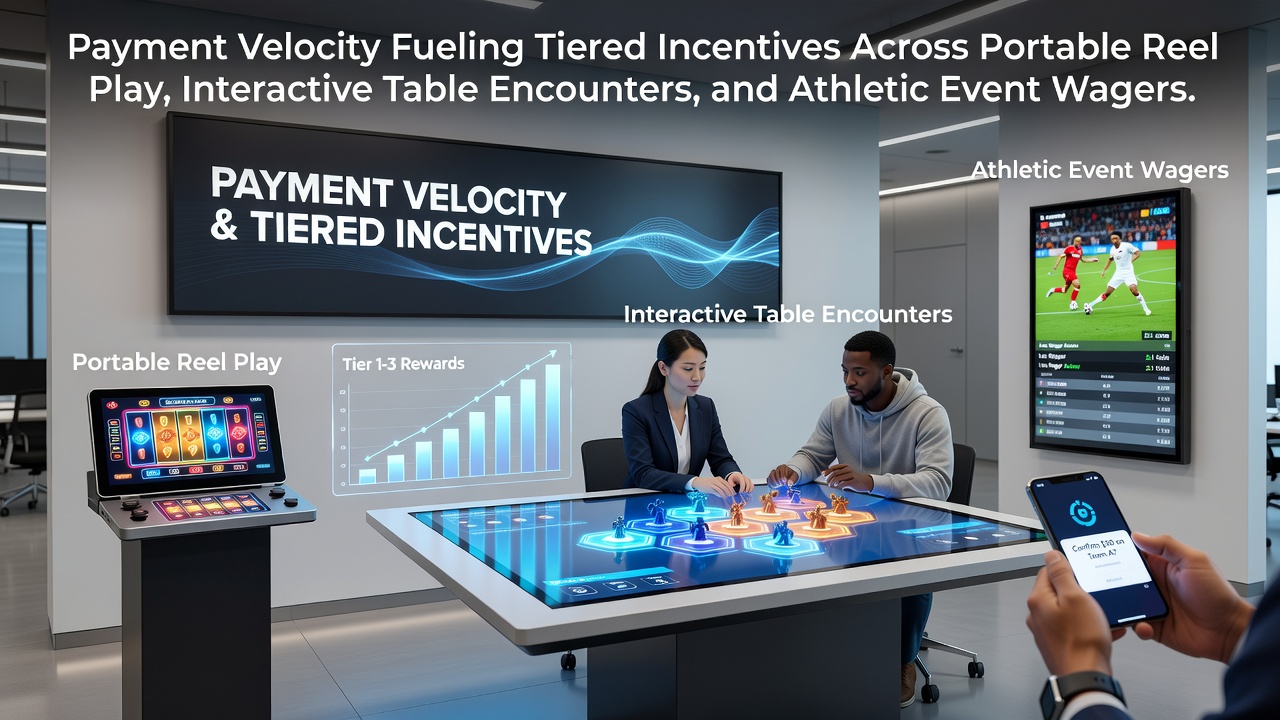
Payment Speed Accelerates Loyalty Rewards in Mobile Gaming, Live Interactions, and Sports Wagers
Payment velocity refers to the rate at which funds move through deposit and withdrawal systems in gambling platforms, and this metric has become central to how operators structure tiered incentive programs across mobile slots, live dealer environments, and sports betting markets. Research from industry analysts shows that platforms processing transactions in under ten seconds enable players to maintain continuous engagement, which in turn feeds directly into progression through loyalty levels that unlock higher bonus percentages, exclusive table access, and enhanced betting limits. Data indicates these systems operate through automated triggers where deposit frequency and volume metrics automatically adjust reward tiers without manual intervention from support staff.
Mechanics Behind Tiered Structures in Portable Reel Play
Portable reel play environments on smartphones and tablets rely on instant deposit confirmations to activate bonus multipliers that scale with each completed transaction cycle. Operators track metrics such as average deposit size and session frequency through backend algorithms, and these figures determine when a player advances from basic bronze status to silver or gold categories that deliver increased free spin allocations. According to reports compiled by the American Gaming Association, mobile slot platforms that integrate real-time payment rails record a 34 percent higher rate of tier advancement compared with slower processing methods, because players encounter fewer interruptions between rounds and maintain momentum toward cumulative reward thresholds.
Systems often combine deposit speed with in-game performance data so that a single high-velocity transaction can unlock both monetary bonuses and personalized reel features, such as higher volatility settings reserved for elevated tiers. Observers note that this integration reduces friction points that previously required separate verification steps, allowing the entire process to flow from payment confirmation straight into active play sessions.
Integration with Interactive Table Encounters
Live dealer platforms apply similar velocity-based rules to comps that include reduced rake percentages, priority seating at high-limit tables, and dedicated host assignments. When players complete deposits at accelerated speeds, the platform logs these events against live session data, and algorithms calculate eligibility for tier upgrades within the same gaming hour. Studies released by the European Gaming and Betting Association reveal that interactive table operators using sub-five-second payment confirmations achieve faster progression rates through their multi-level loyalty matrices, particularly in blackjack and roulette variants where side-bet activity compounds quickly once initial funds clear.

One documented pattern involves players moving from standard tables to private salons after a series of rapid deposits coincides with sustained play duration, and the system automatically credits loyalty points that count toward monthly tier resets. This approach avoids the delays associated with manual reviews, instead relying on predefined velocity thresholds that trigger rewards in real time during active dealer interactions.
Application Across Athletic Event Wagers
Sports betting interfaces connect payment velocity directly to parlay building tools and live in-play markets by crediting funds almost immediately after deposit authorization. Tiered incentives in this segment often include boosted odds on specific leagues, cashback on losing accumulators, and higher maximum stake allowances once velocity metrics surpass established benchmarks. Figures released in June 2026 from Australian research groups tracking digital wagering showed that accounts with consistent sub-minute funding intervals advanced through incentive tiers at nearly double the rate of accounts using traditional banking rails, because bettors could respond to live odds fluctuations without waiting for balance updates.
These programs typically monitor both deposit speed and wager frequency, so a player who funds an account rapidly and places multiple in-play bets within a short window receives automated upgrades that include access to exclusive prop markets or reduced juice on selected events. The process relies on API connections between payment processors and betting engines, ensuring that tier status updates occur without separate player requests or support tickets.
Technology Enabling Cross-Segment Progression
Unified account systems now allow players to carry tier status across mobile reels, live tables, and sports markets through shared velocity scoring models. A single deposit processed at high speed contributes points toward overall platform standing regardless of which vertical receives the funds, and operators use this unified ledger to deliver consistent reward scaling. Industry documentation indicates that such cross-vertical tracking reduces administrative overhead while increasing player retention across all three categories because the incentive structure rewards total activity rather than isolated segment performance.
Security protocols built into these velocity systems include automated fraud detection that flags unusual patterns without slowing legitimate transactions, and this balance allows operators to maintain compliance standards while preserving the speed that drives tier advancement. Data from multiple platform audits confirms that the majority of upgrades occur through these automated channels rather than manual overrides, underscoring the reliance on payment velocity as the primary trigger mechanism.
Conclusion
Payment velocity has emerged as the operational foundation for tiered incentive delivery across portable reel play, interactive table encounters, and athletic event wagers by enabling real-time tracking and automatic reward activation. Platforms that optimize transaction speed record measurable increases in loyalty progression rates, and these systems continue to evolve through tighter integration between payment rails and gaming engines. The result is a framework where deposit and withdrawal efficiency directly determines access to escalating benefits without requiring separate qualification processes in each vertical.