Payment verification sequences shaping advancement through loyalty tiers across mobile reel games, interactive table sessions, and event-based wagers
Henrik Lang · Aug 26, 2026

Payment Verification Mechanisms Steering Loyalty Tier Progression in Mobile Gaming and Betting Platforms
Payment verification sequences operate as structured checkpoints that process deposits and withdrawals before they integrate with loyalty tracking systems, and these sequences determine how quickly participants advance through reward levels in mobile reel games, interactive table sessions, and event-based wagers. Systems authenticate transaction details such as source accounts, amount thresholds, and regulatory compliance markers while logging each step for audit trails that platforms use to assign tier credits. Operators structure these sequences around multi-factor checks that include identity confirmation, payment method validation, and velocity monitoring, which collectively feed data into loyalty algorithms. Research from the Nevada Gaming Control Board indicates that verified transactions trigger automatic tier point allocations within seconds of completion, whereas unverified ones require manual review that delays progression by hours or days. Mobile reel games benefit when players complete verification early because spin volumes and bonus triggers accumulate points faster once the system flags the account as cleared. Interactive table sessions rely on similar flows where live dealer platforms record bet histories alongside payment confirmations, and event-based wagers add layers because odds changes and settlement timelines intersect with verification windows. Those who've studied transaction logs across platforms note that sequences incorporating real-time bank feeds reduce friction for recurring deposits, allowing consistent tier climbs even during high-volume periods like major sports events.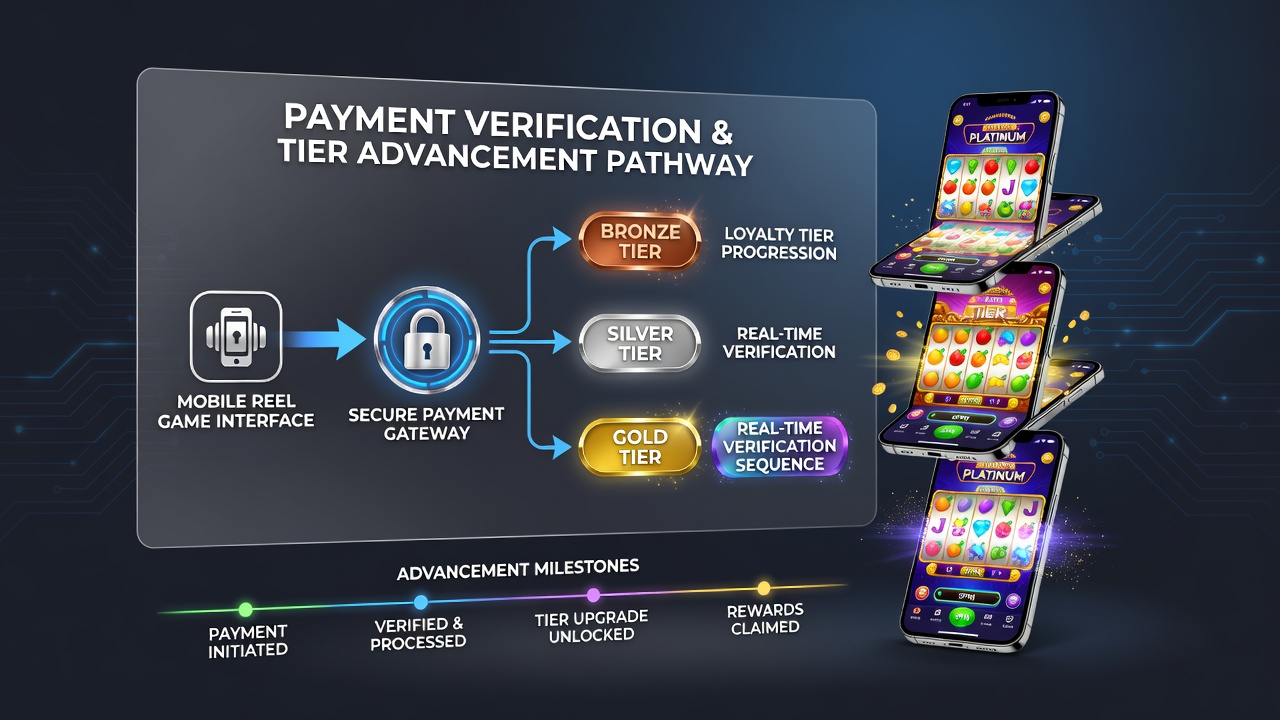
Payment verification sequences operate as structured checkpoints that process deposits and withdrawals before they integrate with loyalty tracking systems, and these sequences determine how quickly participants advance through reward levels in mobile reel games, interactive table sessions, and event-based wagers. Systems authenticate transaction details such as source accounts, amount thresholds, and regulatory compliance markers while logging each step for audit trails that platforms use to assign tier credits. Operators structure these sequences around multi-factor checks that include identity confirmation, payment method validation, and velocity monitoring, which collectively feed data into loyalty algorithms. Research from the Nevada Gaming Control Board indicates that verified transactions trigger automatic tier point allocations within seconds of completion, whereas unverified ones require manual review that delays progression by hours or days. Mobile reel games benefit when players complete verification early because spin volumes and bonus triggers accumulate points faster once the system flags the account as cleared. Interactive table sessions rely on similar flows where live dealer platforms record bet histories alongside payment confirmations, and event-based wagers add layers because odds changes and settlement timelines intersect with verification windows. Those who've studied transaction logs across platforms note that sequences incorporating real-time bank feeds reduce friction for recurring deposits, allowing consistent tier climbs even during high-volume periods like major sports events.Core Components of Verification Sequences
Verification begins with initial deposit authorization that cross-references user data against financial institution records, and this step establishes baseline eligibility for loyalty enrollment. Subsequent checks monitor withdrawal patterns and deposit frequencies, which platforms map to tier requirements such as minimum activity thresholds or cumulative spend. Data shows that accounts passing sequential verifications without flags receive expedited point multipliers in reel game environments, where each verified session contributes to reel-specific leaderboards. In table sessions the process extends to session duration tracking, since interactive tables generate side bet data that verification engines pair with payment metadata before crediting loyalty meters. Event-based wagers introduce settlement variables because outcome confirmations must align with verified funding sources to prevent disputes that stall tier advancement. Platforms often embed these checks into API calls that run invisibly, yet any mismatch routes the transaction to secondary review queues that temporarily pause point accrual.Integration Across Game Categories
Mobile reel games process high transaction volumes through automated sequences that prioritize speed for small recurring deposits, and this approach supports steady tier movement even for casual participants. Interactive table sessions demand tighter verification because live interactions involve larger per-hand amounts, which triggers additional security layers that platforms balance against player retention goals. Event-based wagers add temporal elements since pre-event deposits must clear before markets open, creating windows where verification speed directly influences access to loyalty bonuses tied to specific matches or tournaments. One study revealed that platforms synchronizing verification with game servers achieve higher completion rates for tier milestones, particularly when users shift between reel spins, dealer tables, and betting slips within a single session. Payment method diversity plays a role here as well, because e-wallet approvals move through sequences quicker than card-based routes in many systems, enabling participants to maintain momentum across categories without interruption.