Secure Payment Protocols Drive Fluid Shifts Between Video Reel Games and Live Dealer Tables on Mobile Platforms
Hugo Hartmann · Jun 22, 2026

Secure Payment Protocols Drive Fluid Shifts Between Video Reel Games and Live Dealer Tables on Mobile Platforms
Data from industry reports shows that encrypted payment systems now handle millions of daily switches between video reel mechanics and real-time table sessions on smartphones and tablets, with processing times often under two seconds when users move from one game type to another. These frameworks rely on tokenization and multi-layer encryption to maintain session continuity while players adjust stakes or change game formats without re-authenticating each time.
Developers integrate application programming interfaces that link payment gateways directly to game servers, allowing balance updates to occur in real time as users exit a reel sequence and enter a dealer-hosted environment. Observers note that such integration reduces friction points that once forced players to pause and reload funds separately for each category.
Core Components of Transaction Security
Token-based authentication replaces full card details during transfers, which keeps sensitive information isolated from game interfaces across portable devices. Standards from organizations like the Payment Card Industry Security Standards Council require regular audits that verify these tokens expire after single uses or short windows, limiting exposure during extended play sessions.
Biometric verification layers add another checkpoint on mobile hardware, where fingerprint or facial recognition confirms identity before funds move between reel features and table interactions. Research from academic sources indicates that devices equipped with these checks experience fewer interruptions when players toggle between high-speed reel spins and slower-paced dealer decisions.
Technical Flow During Game Transitions
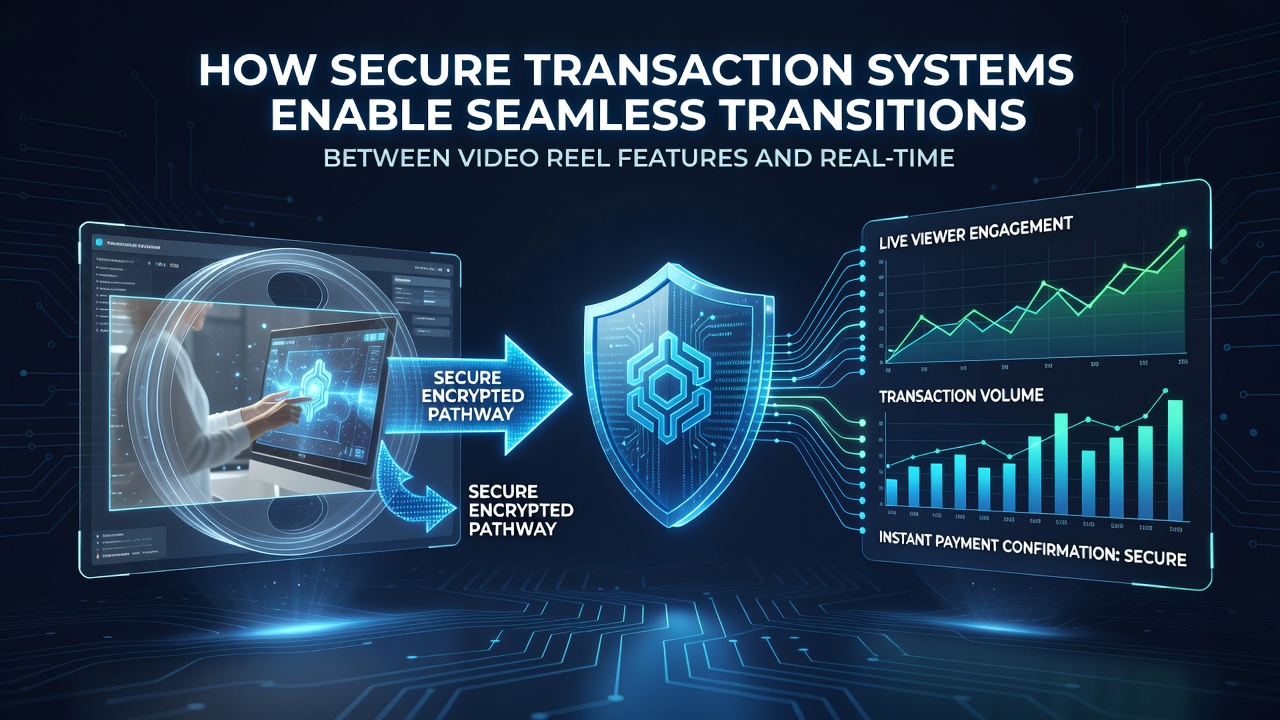
When a session moves from video reels to live tables, the payment protocol initiates a background verification that confirms available funds without displaying separate loading screens to the user. This process draws on secure sockets layer certificates updated in June 2026 to meet evolving encryption benchmarks set by international bodies, ensuring data packets travel through protected channels even on variable network connections typical of handheld use.
Real-time reconciliation engines track every credit shift across game types, logging details that support regulatory compliance without requiring players to navigate additional menus. Those who've examined system logs report that these engines maintain accuracy rates above 99.8 percent during peak hours when thousands of simultaneous transitions occur.
Regional Regulatory Influences on System Design
Agencies outside the United Kingdom have shaped current standards, including guidelines issued by iGaming Ontario that emphasize uninterrupted play across device types. Similar frameworks from the Nevada Gaming Control Board require operators to demonstrate that payment systems preserve game state integrity when users switch between reel mechanics and table formats on portable hardware.
A report from the European Gaming and Betting Association highlights how cross-border operators adopted unified encryption protocols in early 2026, which reduced average transition delays by measurable margins in tested markets. Another study conducted at the University of Nevada Reno examined user data patterns and found that secure transaction layers correlate with longer overall engagement periods across mixed game libraries.
Practical Implementation Examples
One operator implemented a unified wallet that automatically allocates credits when a player leaves a reel bonus round and joins a live blackjack table, with the system handling currency conversions if needed during international sessions. Data indicates such features rely on geofencing checks that confirm location compliance before completing each transfer.
Another case involved a platform update rolled out in June 2026 that embedded predictive caching into payment verification, allowing anticipated balance queries to complete before users even select the next game type. Observers note this approach cut visible loading indicators during transitions on mid-range tablets and older smartphone models.
Conclusion
Secure transaction systems continue to evolve through combined efforts of regulatory bodies, technology providers, and academic researchers who track performance metrics across different regions. These developments support consistent gameplay experiences when users move between video reel features and real-time table interactions on portable devices, backed by verifiable encryption standards and audit requirements that keep data flows protected at every stage.